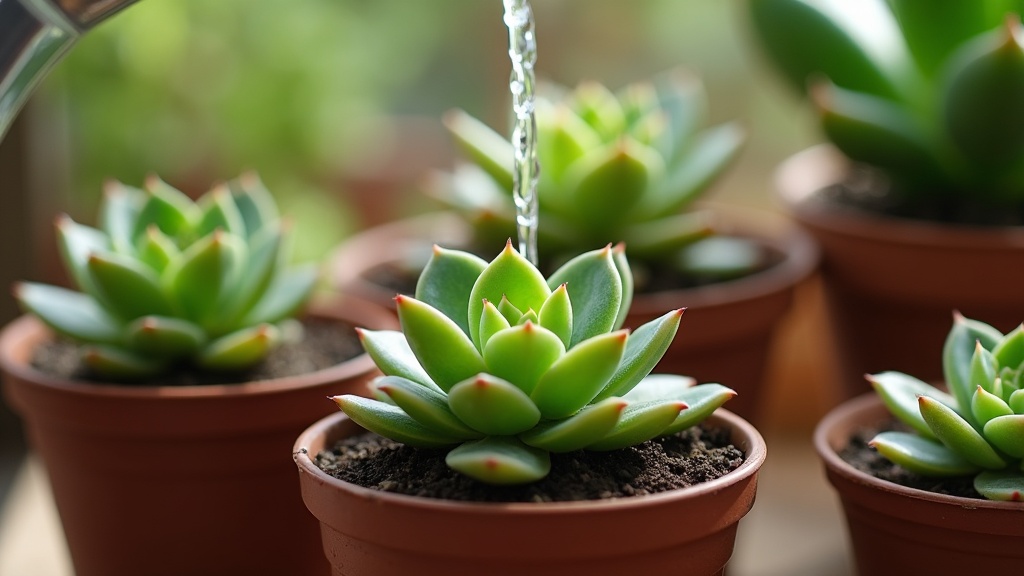
 When I get a new succulent, the first thing on my mind is how to keep it healthy. Watering newly planted succulents the right way is really important for their survival, especially in the first few weeks. Since succulents are adapted to dry environments, giving them too much or too little water early on can cause a lot of problems, including root rot or stunted growth. I remember almost losing my first jade plant because I watered it like my other houseplants. That experience taught me how much a good watering routine matters for succulents.
Knowing when and how to water a new succulent makes all the difference. Many people run into trouble by following generic advice or copying routines from other plant types. My goal with this guide is to share clear, practical steps so anyone can feel confident caring for their newly planted succulents.
In this guide, I’ll walk through the basics of watering new succulents, give you clear tips to follow, and answer questions you might have based on what I’ve learned from my own plants. Whether you’re new to succulents or want to improve your watering game, let’s jump in and check out some real-world tips for success.
Step 1: Understand Succulent Watering Needs
Succulents store water in their thick leaves and stems, which helps them deal with dry periods. Right after planting, their roots are still adjusting to the new soil, so their water needs differ from established plants. If a succulent sits in wet soil for too long during this time, the roots can rot before they take hold. On the other hand, letting them dry out completely slows down rooting. I found out quickly that patience really pays off—sometimes less is more when you’re caring for these plants in their early days.
What New Succulents Need Right Away:
- Moist (not soggy) soil to help roots start growing
- Good airflow and light to prevent mold
- Gentle handling, as disturbed roots need time to settle
After planting, I always check that the soil is just barely damp to the touch, not soaking wet. It’s a fine balance, but erring on the side of caution helps. If you’re ever unsure, it’s better to wait a little before watering than rush in and overdo it.
Step 2: Prepare Proper Soil and Containers
Before watering, I make sure my container and soil help water drain quickly. Succulents do best in welldraining soil mixes, such as cactus/succulent potting soils. The container needs to have drainage holes. Without them, water can’t drain, roots get waterlogged, and rot sets in fast, which is a problem nobody wants!
Tips for Getting Soil and Pots Right:
- Use a gritty mix, like 2 parts cactus soil to 1 part perlite or coarse sand
- Avoid regular potting soil, which holds too much moisture
- Pick pots with drainage holes—even for new cuttings
When I plant a new succulent, I gently tap down the soil so there are no large air pockets, but I don’t make it really compact either. The right balance keeps roots happy and stops issues later on. If you want to be even more sure, tilt the pot slightly after planting to check if water moves through smoothly during your first watering session.
Step 3: Know When to Water After Planting
It can be tempting to water right away, but I’ve learned that newly planted succulents, especially those grown from cuttings, need a short waiting period before their first watering. This allows any damaged roots to heal and lowers the risk of rot. Taking your time during this phase can make all the difference later. Your succulent will thank you for giving it space to settle in.
General Timing:
- For potted nursery succulents: Wait one to two days after planting, then check the soil
- For fresh cuttings: Wait three to seven days before the first water, letting cut ends callous over
If I’m unsure, I gently poke the soil near the base with my finger to check for dryness. The top inch should feel dry before the first watering. If you’re dealing with a new environment or season, give your succulent an extra day to settle before pouring any water in. This habit has helped me avoid mistakes many times.
Step 4: How Much Water to Use
The first watering is key. I usually water new succulents thoroughly, but only when the soil is completely dry. For potted succulents, I add water until it drains out the bottom, then stop. If the container collects water in a tray, I empty the tray after ten to fifteen minutes so roots aren’t left in standing water. Learning this little trick made a huge difference in plant health for me.
What I Do When Watering:
- Use a watering can with a narrow spout for control and aim at the base of the plant
- Pour slowly to let the soil absorb water instead of letting it run off
- Let the pot drain fully and never let water pool around roots
Over time, I check that the leaves stay plump but not mushy. Wrinkling often means underwatering, while transparency or soft spots point to overwatering. If a plant starts to show issues, it’s often easier to fix too little water than too much. Small corrections at this stage make a big impact.
Step 5: Create a Watering Schedule
Since succulents don’t all grow in the same climate, I adjust my watering schedule based on several things: temperature, humidity, light, and the type of container. I’ve noticed that in summer or in dry homes, soil dries out faster. In winter or humid rooms, it dries out much slower. Even room placement—by a window or further inside—makes a noticeable difference!
Simple Watering Guide:
- For newly planted succulents, check soil dryness every three to four days after the initial watering
- Water again only when the soil is dry to the touch
- Expect to water once a week to once every three weeks, depending on your environment and the season
By keeping a loose routine and checking in on the plants every several days, I help avoid overwatering and spot problems fast. I also make a point to check under the leaves and around the base, since those spots dry out at different rates, revealing more about how the roots are doing.
Step 6: Troubleshooting Common Problems
I run into a few common problems with new succulents, usually around watering habits. Here are some tips from my own trial and error. Troubleshooting is a skill you grow as you spend more time with your plants, so don’t get discouraged if things go sideways at first!
Soggy Soil and Yellowing Leaves
If I notice yellow or mushy leaves and the soil feels wet, I know I’m probably watering too often or used the wrong type of soil. I repot the plant into dry, gritty mix and skip watering until the roots have recovered. From there, I’m careful to cut back on water until the plant perks up again. Sometimes it’s smart to lift the pot and feel its weight—a light pot often means dry soil, while a heavy pot is a red flag for excess moisture.
Wrinkled Leaves and Shrinking
Wrinkly leaves that feel thin often tell me the plant needs more water. I water thoroughly, let it drain well, and then wait for it to plump up again. It usually takes just a couple of cycles to get back on track. Adjusting the amount of water each time helps prevent future extremes.
Commonly Asked Questions
How do I know if I’m overwatering?
I look for soft, mushy, or see-through spots on leaves and stems. If the pot feels heavy even after a week or more, that’s another sign. I always double-check my soil mix for drainage if this happens. If your succulent seems worse each time you water, take a break and let it dry out fully before going back to your routine.
Should I mist new succulents?
I avoid misting established succulents, but for fresh cuttings still developing roots, a very light mist can help prevent the ends from shriveling. Once roots form, I switch to regular deep watering once the soil is dry. Remember, too much moisture on leaves can invite mold, so always aim your mist at just the soil or base of cuttings, not the whole plant.
What should I do if my succulent looks droopy?
Droopy leaves could mean the plant either got too much or too little water. I check the soil moisture first, feel the leaves, and adjust my routine. Sometimes a gentle repot into fresh soil fixes the situation quickly. If the environment is too humid or dark, moving the plant to a spot with more light will also give it a boost.
My Succulent Watering Routine: Takeaways
Watering newly planted succulents doesn’t need to be complicated, but it pays to pay close attention in the early days. By letting roots settle before the first watering, choosing a container with drainage, and always letting the soil dry out between waterings, I’ve seen my succulents take root and grow beautifully. Patience, observation, and a gentle hand work wonders in those critical first weeks.
Quick Checklist for Success:
- Plant in fastdraining soil and a pot with drainage holes
- Wait one to seven days before the first watering, as needed
- Water deeply only when the soil is dry
- Check your plant’s leaves and adjust water if they wrinkle or become mushy
- Change your routine with each season or if you move the plant to a new spot
Getting watering right at the beginning sets new succulents up to thrive for years. Stay curious, keep learning from your plants, and enjoy watching your little desert friends flourish over time!